2026 How to Choose the Right Drain Pump for Global Buyers
Selecting the right Drain Pump is a practical engineering decision, not a simple price comparison. Global buyers must match pump performance with the equipment, site conditions, and expected workload. A laundry machine, commercial dishwasher, basement system, and industrial tank may require very different solutions. Small details matter. A few extra millimeters of lift can change the result.
This guide examines flow rate, head height, inlet size, power supply, materials, noise, and control methods. It also considers water temperature, solids, detergent exposure, and continuous operating time. Experienced buyers should request test data, installation drawings, factory certifications, and traceable quality records. A reliable supplier should explain failure limits clearly, rather than promise universal compatibility. That answer may feel less attractive, but it is more useful.
Field inspections often reveal avoidable mistakes. Some pumps fit the outlet but cannot reach the required discharge height. Others operate correctly in testing but overheat during repeated cycles. Voltage differences, regional plugs, shipping protection, and local service access also influence the final choice. Not every catalog claim deserves equal confidence. Buyers should compare verified specifications with real operating conditions and ask what happens after installation. This 2026 guide supports a careful, evidence-based selection process for distributors, manufacturers, contractors, and end users across global markets. It cannot replace site testing. That limitation matters.
Define the Drain Pump’s Application and Operating Conditions
Define the Drain Pump’s Application and Operating Conditions
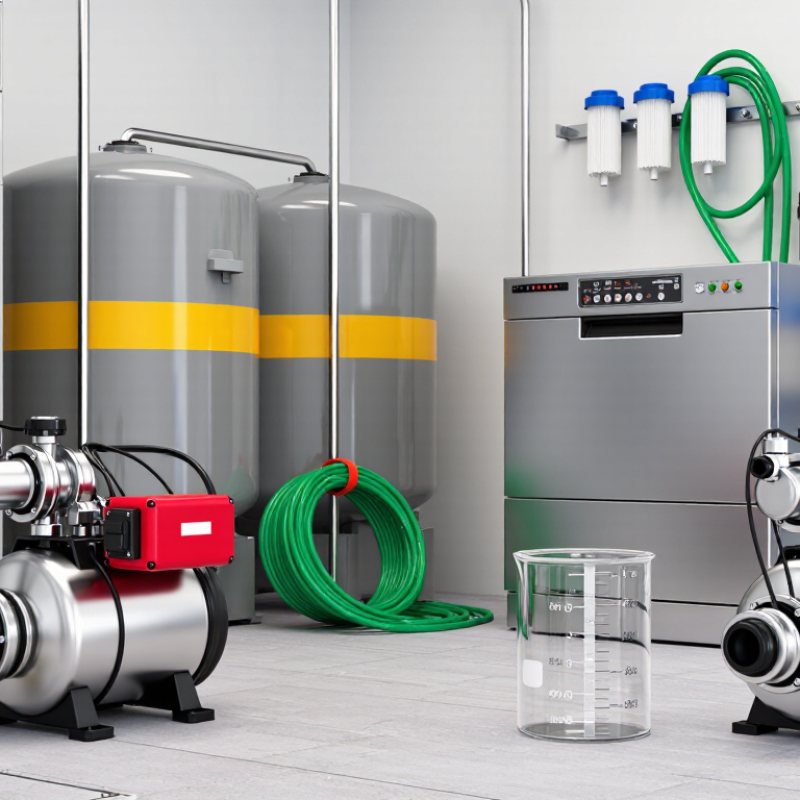
A drain pump should match the job, not merely the pipe size. Identify the equipment first: washing machine, dishwasher, condensate unit, spa, or industrial drainage system. Each application creates different flow patterns, temperatures, solids, and duty cycles. Measure required flow in liters per minute and total head in meters. Include vertical lift, pipe length, bends, and outlet restrictions. A pump rated at 30 L/min may deliver far less at three meters of head.
Operating conditions also shape reliability. Check liquid temperature, pH, viscosity, suspended particles, and possible air exposure. Short intermittent cycles need different thermal protection from continuous operation. The International Energy Agency’s Energy Efficiency 2023 report states that electric motor systems use roughly half of global electricity. Small efficiency losses can therefore become costly across thousands of installed units. Oversizing is not always safer. It can increase noise, cycling, and energy use. I have seen this mistake in otherwise careful procurement plans.
Tips: Record the worst-case head, not the average. Confirm inlet size and discharge direction. Ask for the pump curve, not only the maximum flow figure. Review IEC 60335-2-41 or applicable local safety requirements for household and similar pumps. For industrial systems, compare testing practices with ISO 9906. Leave room for imperfect site data. Real installations often contain longer hoses and dirtier water than the original specification suggests. Test a sample unit under loaded conditions before placing a global order.
2026 How to Choose the Right Drain Pump for Global Buyers
Define the Drain Pump’s Application and Operating Conditions
Typical design flow rates vary by application. Condensate removal generally requires low flow, while laundry, commercial dishwashing, and basement drainage require progressively higher capacity. Confirm the actual flow rate, vertical lift, discharge-pipe length, fluid temperature, solids content, voltage, and duty cycle before selecting a pump.
Match Pump Capacity to Flow Rate, Head Height, and Drainage Distance
2026 How to Choose the Right Drain Pump for Global Buyers
A suitable drain pump must match the real flow rate, not its maximum advertised output. Measure how many liters require removal each minute during peak discharge. Then calculate the total head height from the water level to the outlet point. Include pipe friction, elbows, check valves, and the outlet fitting. A pump lifting water three meters may deliver far less than its free-flow rating.
Drainage distance also affects performance, especially through narrow pipes or long horizontal runs. It does not replace vertical head, but it increases resistance. Select a model that meets the required flow at the calculated head, with a modest reserve of about 15 to 25 percent. Avoid excessive oversizing. It can cause short cycling, higher energy use, and unnecessary wear. A common mistake I still see is measuring only the pipe length. That approach looks simple, but it misses pressure losses. Real installations are rarely that neat.
Tips: Record the pipe diameter, lift, distance, bends, and expected flow before comparing pumps. Check the liquid temperature and solid content as well. Test the system under its normal load, not with an empty line. The exact safety margin is not universal; local plumbing layouts and operating schedules can change it. When uncertain, verify calculations with a qualified technician and keep written performance data for future replacement.
Check Energy Use, Noise Levels, Controls, and Installation Needs
Choosing the right drain pump starts with the working environment, not the catalog photo. Measure the required flow rate, lift height, hose length, and available space. A pump that works well at low lift may struggle when wastewater rises several meters. In field checks, I compare rated performance with real operating conditions. The difference can be surprisingly large.
Energy use matters during every cycle. Check the motor’s input power, standby demand, and expected daily running time. A lower-wattage pump is not always more efficient if it runs twice as long. Noise also deserves practical testing. Listen near walls, cabinets, and sleeping areas, where vibration can sound louder. A quiet label means little without a clear test method.
Controls should match the equipment and the operator. Float switches are simple, while electronic sensors can offer tighter control but may need cleaner installation. Confirm voltage, frequency, wiring access, connector type, and local electrical requirements before ordering. Installation space is often underestimated. Leave room for service, drainage, and safe hose bends. I have seen compact installations fail because the outlet hose was sharply kinked. That mistake was avoidable, but product drawings did not make it obvious. Ask for actual dimensions and connection details, not just marketing measurements.